
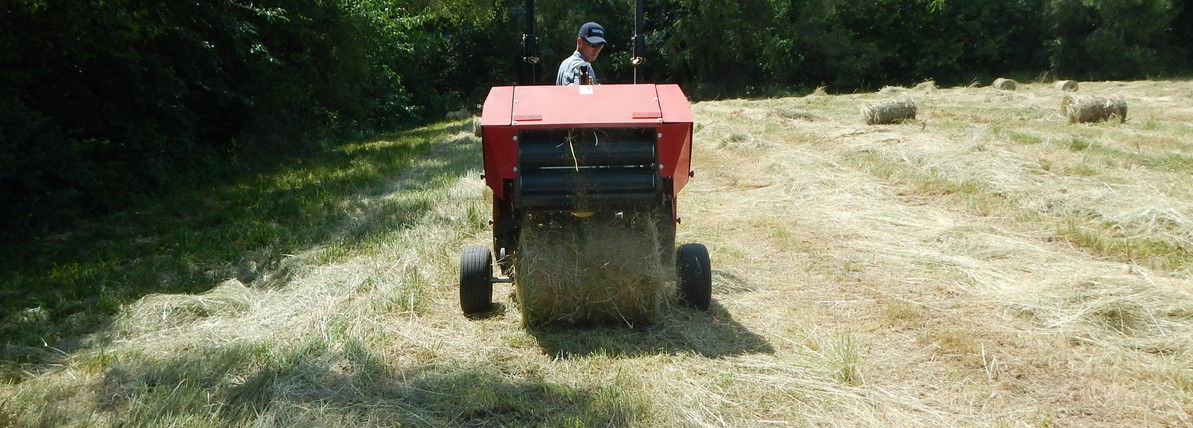
Shear Bolts: Simple, Inexpensive Parts to Protect Your Equipment From Damage
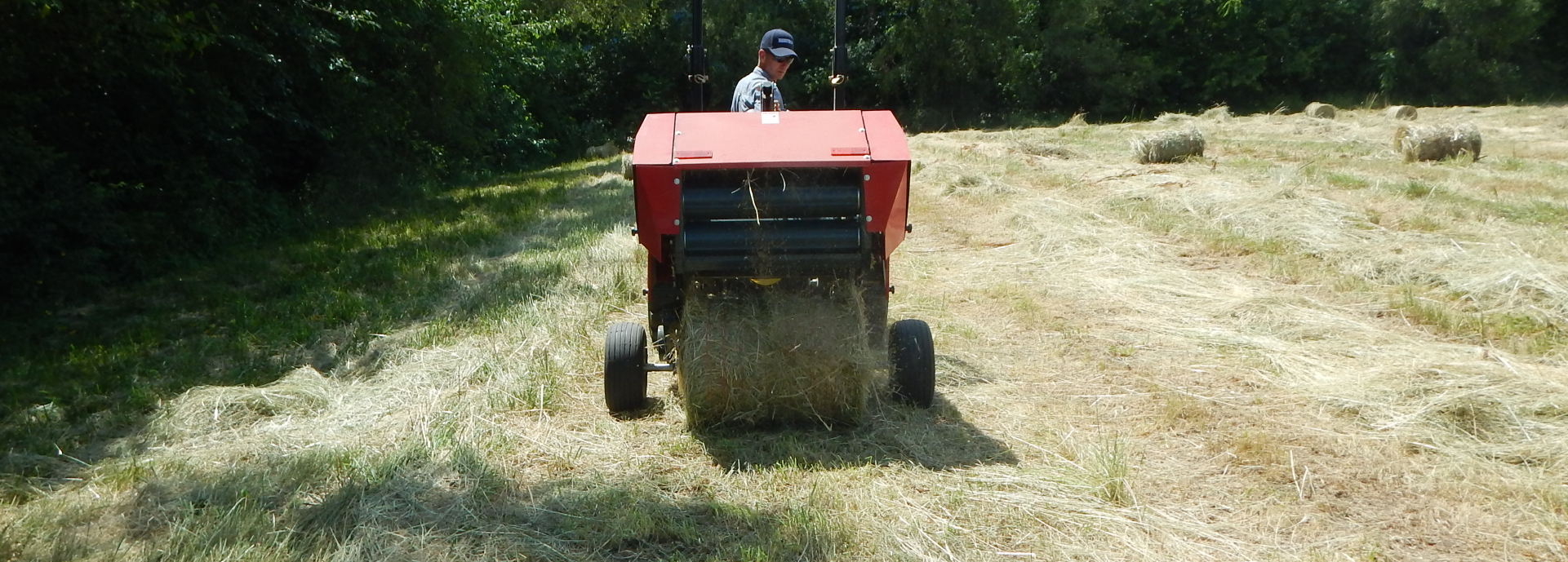
Many of the implements we sell here at Tractor Tools Direct require one or more shear bolts, either on the PTO shaft or on the machine itself. These bolts are carefully designed to break (shear) before the power applied by the tractor exceeds the design limitations of the implement. Because we sell implements that are designed for lower-horsepower tractors, these shear bolts are particularly important. You can use most of our implements with higher horsepower tractors, as long as the correct shear bolts are in place to prevent overpowering the machine.
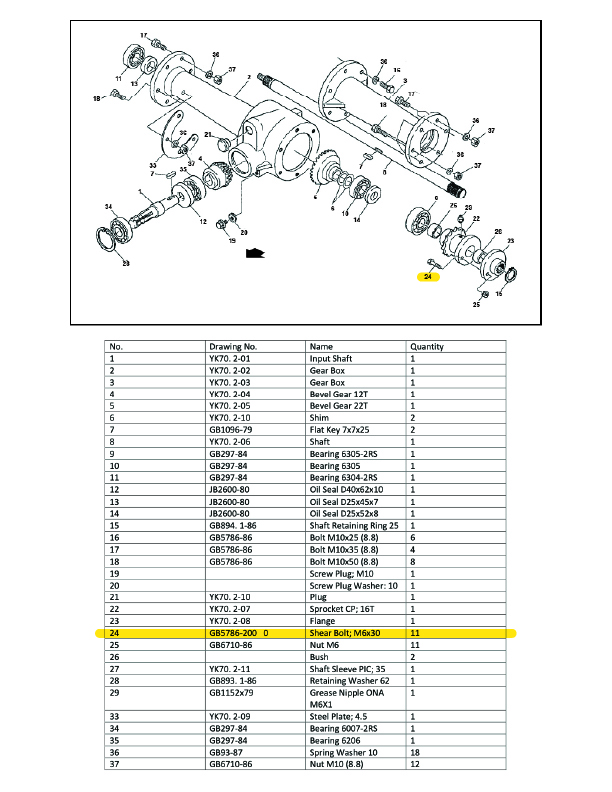
All shear bolts are not created equally. Their composition and sizing are critically important. Manufacturers do the engineering calculations to be certain they are strong enough to hold under normal working conditions, but break when the implement is overloaded. Therefore, it's important to only use shear bolts recommended by the manufacturer. If the shear bolt is too small or made from a weaker steel, it will break too easily, causing unnecessary downtime and frustration. Worse yet, if the shear bolt is made from a higher strength material than what is recommended, the shear bolt will not break when it should. What happens then? It's possible the next weakest part of the drivetrain will break - and that could be a gear, chain, or shaft. Often these types of failures can be time consuming and expensive to fix.
Tempted to get shear bolts to use on our equipment from the hardware store down the street? Here are a few thoughts that may change your mind:
Bolt strength ratings are commonly confused:
Unfortunately we have seen situations where a customer unknowingly purchased the wrong strength of shear bolt, resulting in damage to expensive machine components. These customers were unaware that different types of bolts have different hardness rating systems, and the identifying markings often look similar.
Bolt hardness is not the only thing that determines shear strength:
A threaded class 10.9 bolt will likely shear much easier than an unthreaded class 8.8 pin. Shear strength can also be different depending on thread type, the location of the threads on the pin, and the final installed position of the pin within the rotating components.
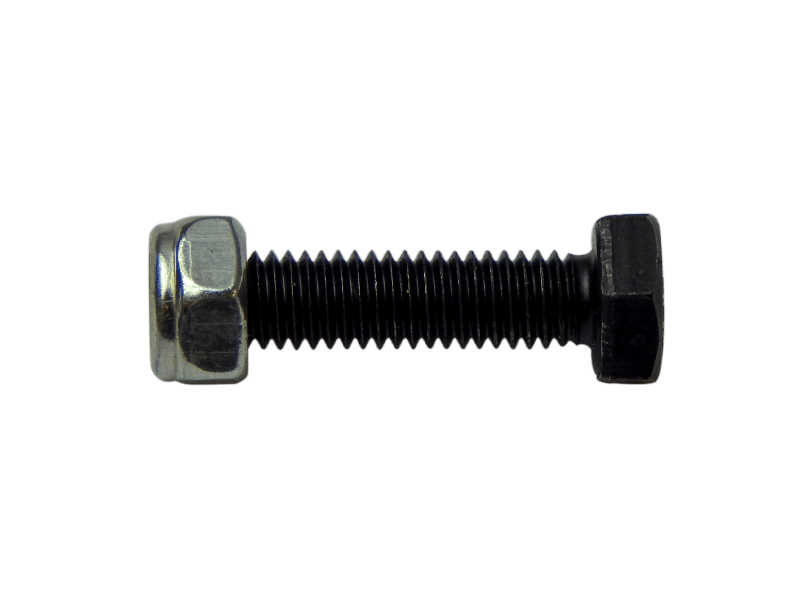
Use of non-OEM shear bolts will void your warranty:
If your equipment is damaged due to use of a shear bolt that is not offered by the original equipment manufacturer, replacement parts will not be covered under the warranty. The OEM bolts are inexpensive and in plentiful supply, so stock up on them today to make sure you're prepared.
To learn more about our shear bolt offerings or to make a purchase, visit our website here.
Recent Posts
-

The Subcompact Economy Hay Package: Your Gateway to Small-Farm Hay Production
For small-acreage farmers who want to step into hay production with confidence, affordability, a …Feb 6th 2026 -
Power Harrows for Spring Soil Prep: The Must-Have Tool for Small Farms
Spring is coming fast — and for growers, livestock managers, and land stewards, that means it’s …Feb 1st 2026 -

The Evolution of the Kubota BX Series: How a Sub-Compact Became a Powerhouse
While we here at Tractor Tools Direct do not sell Kubota BX tractors themselves, we do sell plen …Jan 15th 2026